


Travellers are increasingly scaling up to decide where they want to stay based partly on environmental friendliness. Creating sustainable designs without compromising the guest experience is now table stakes, not a differentiator.
1. Eco-Friendly Materials
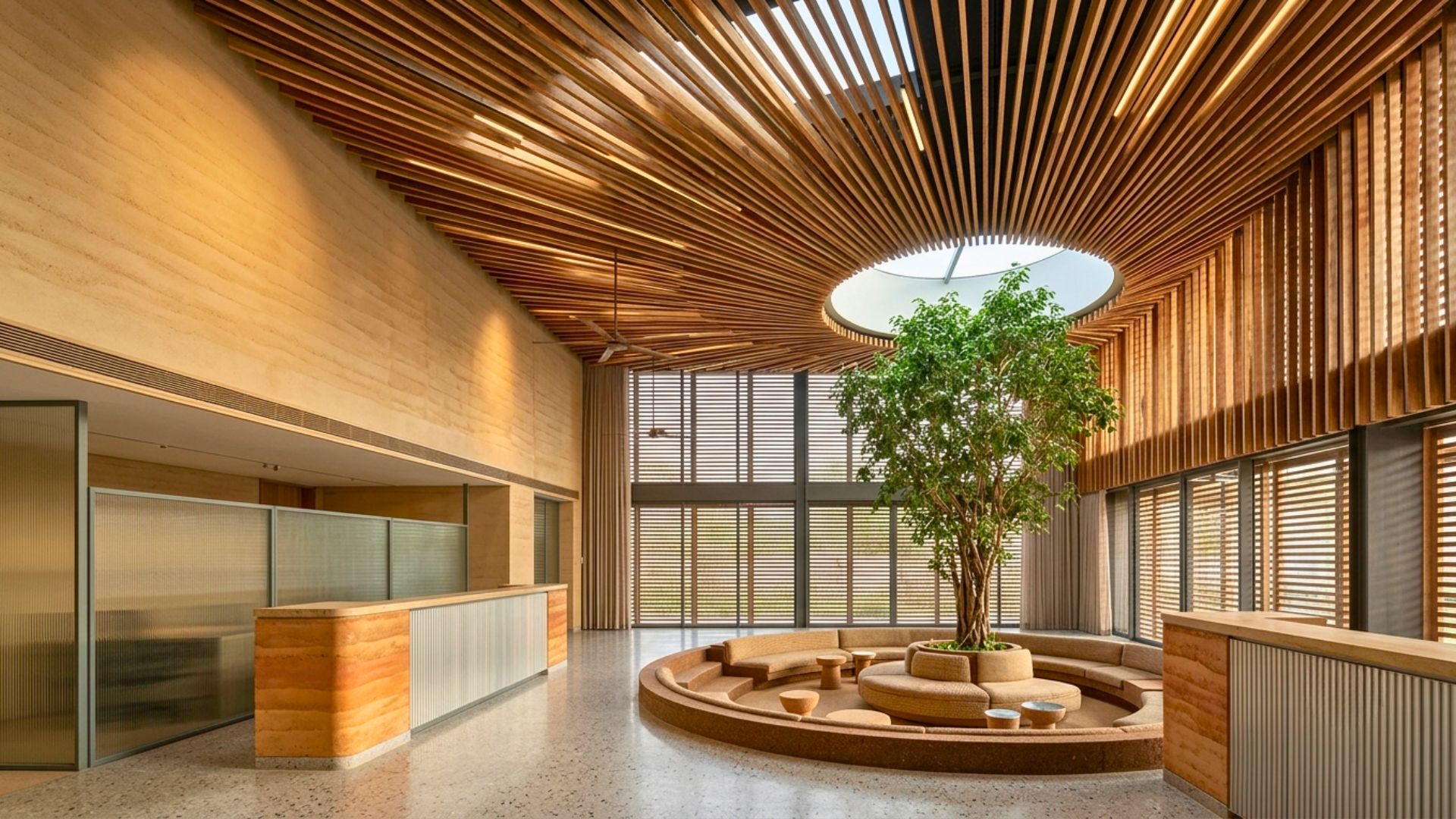
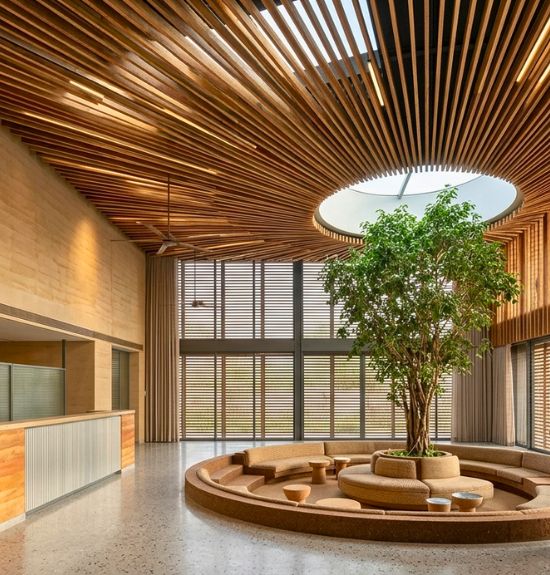
Use organic fabrics, recycled wood, metal, and plastic, bamboo, untreated wood, reclaimed materials, and environmentally friendly adhesives wherever the fit-out allows.
2. Energy-Efficient Ventilation
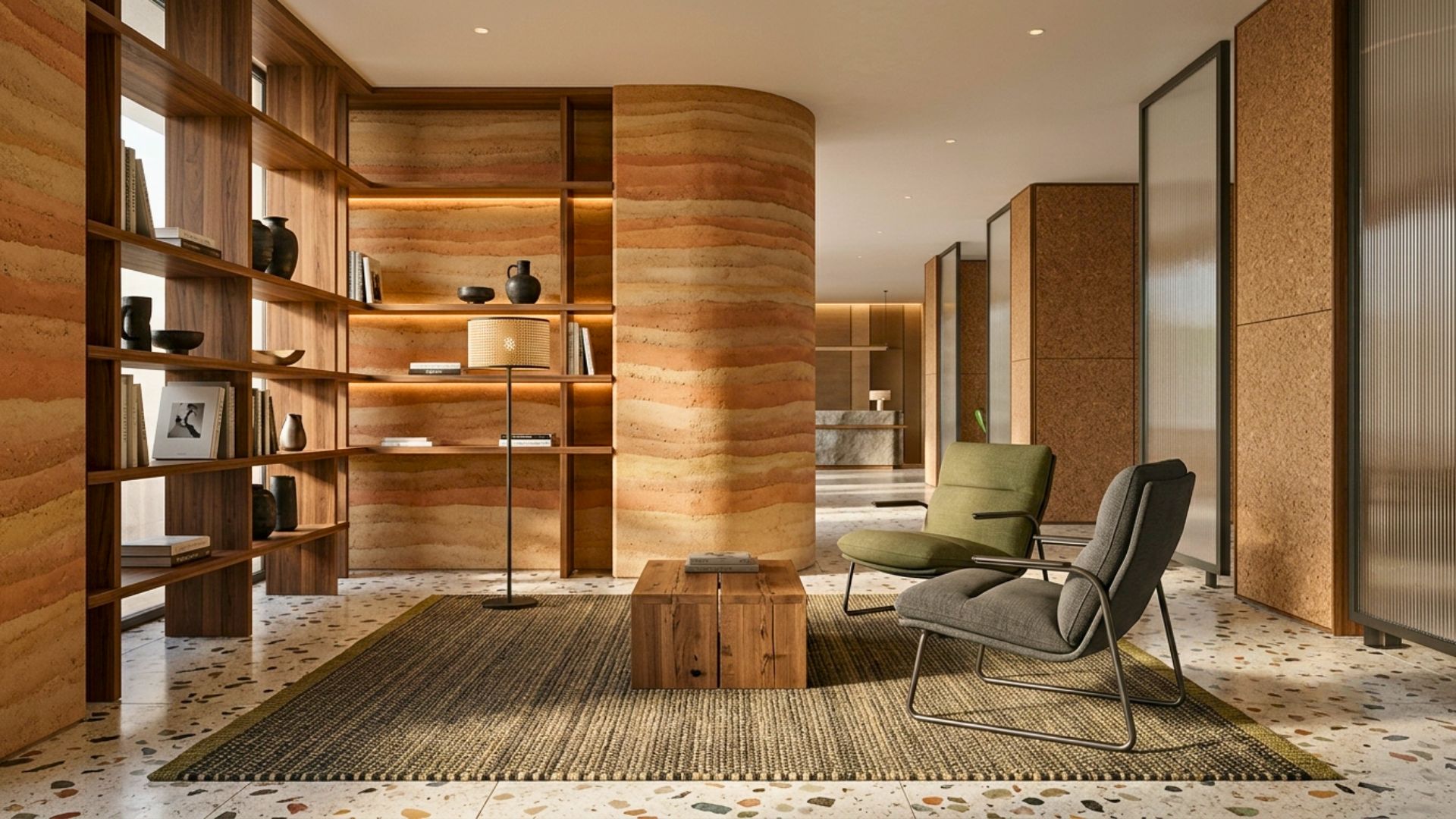
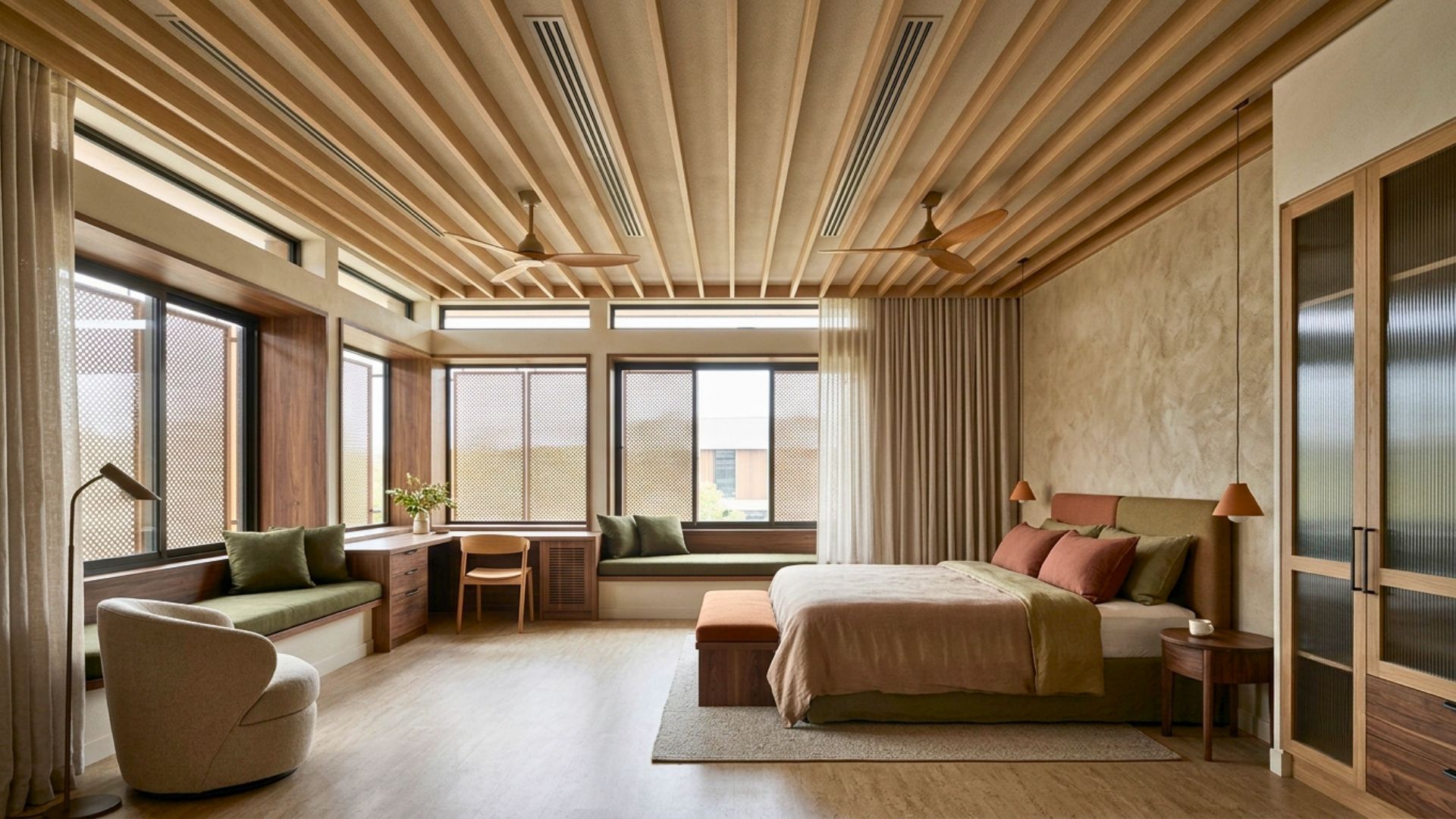
Focus on reducing carbon footprint through efficient HVAC systems, insulating windows, and sustainable flooring materials — the mechanical systems matter as much as the visible finishes.
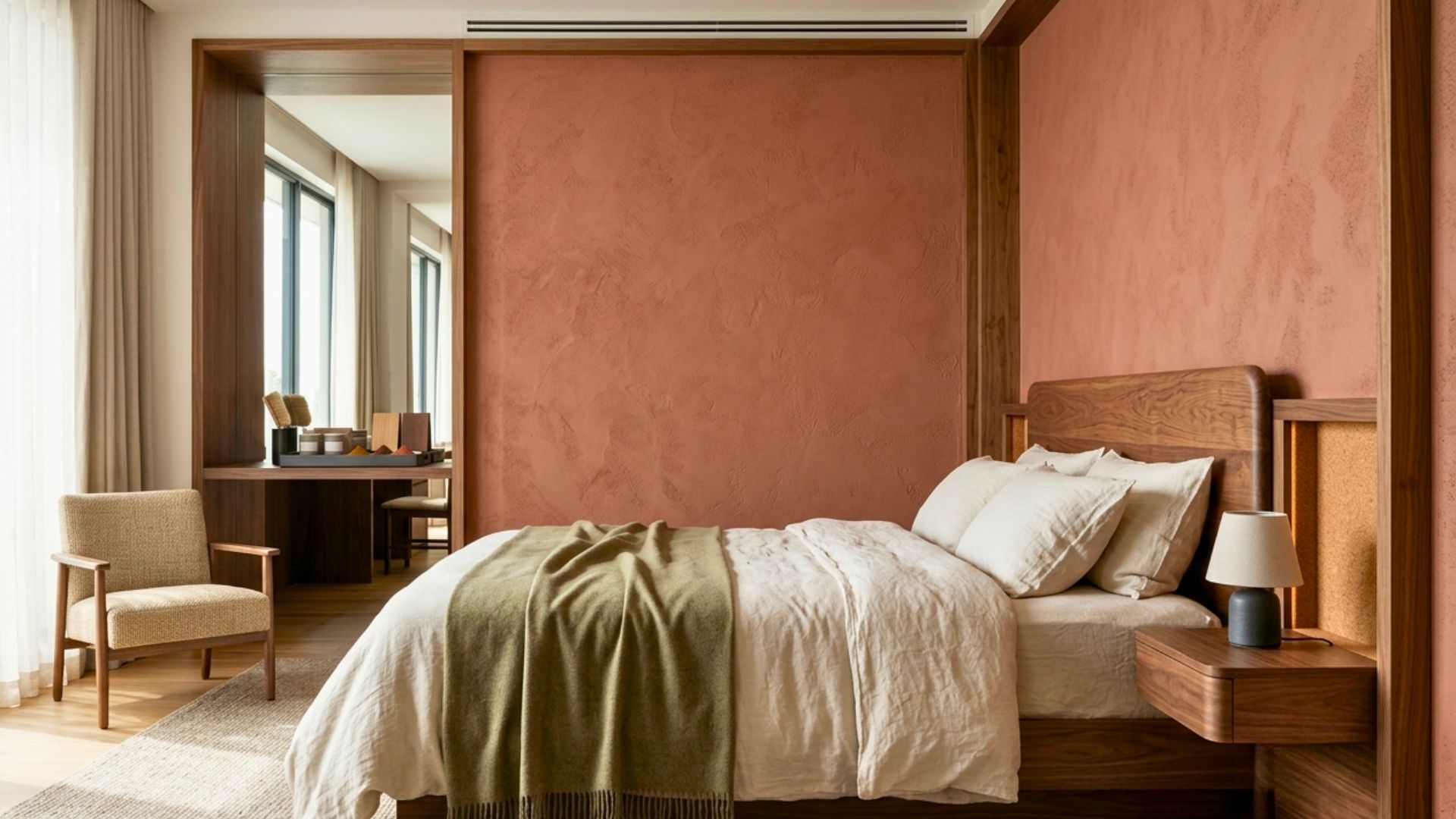
3. Organic Varnishes and Low-VOC Paint
High-VOC paints can damage the eyes, lungs, and brain, and affect cognitive function over time — low-VOC alternatives protect both guests and staff.
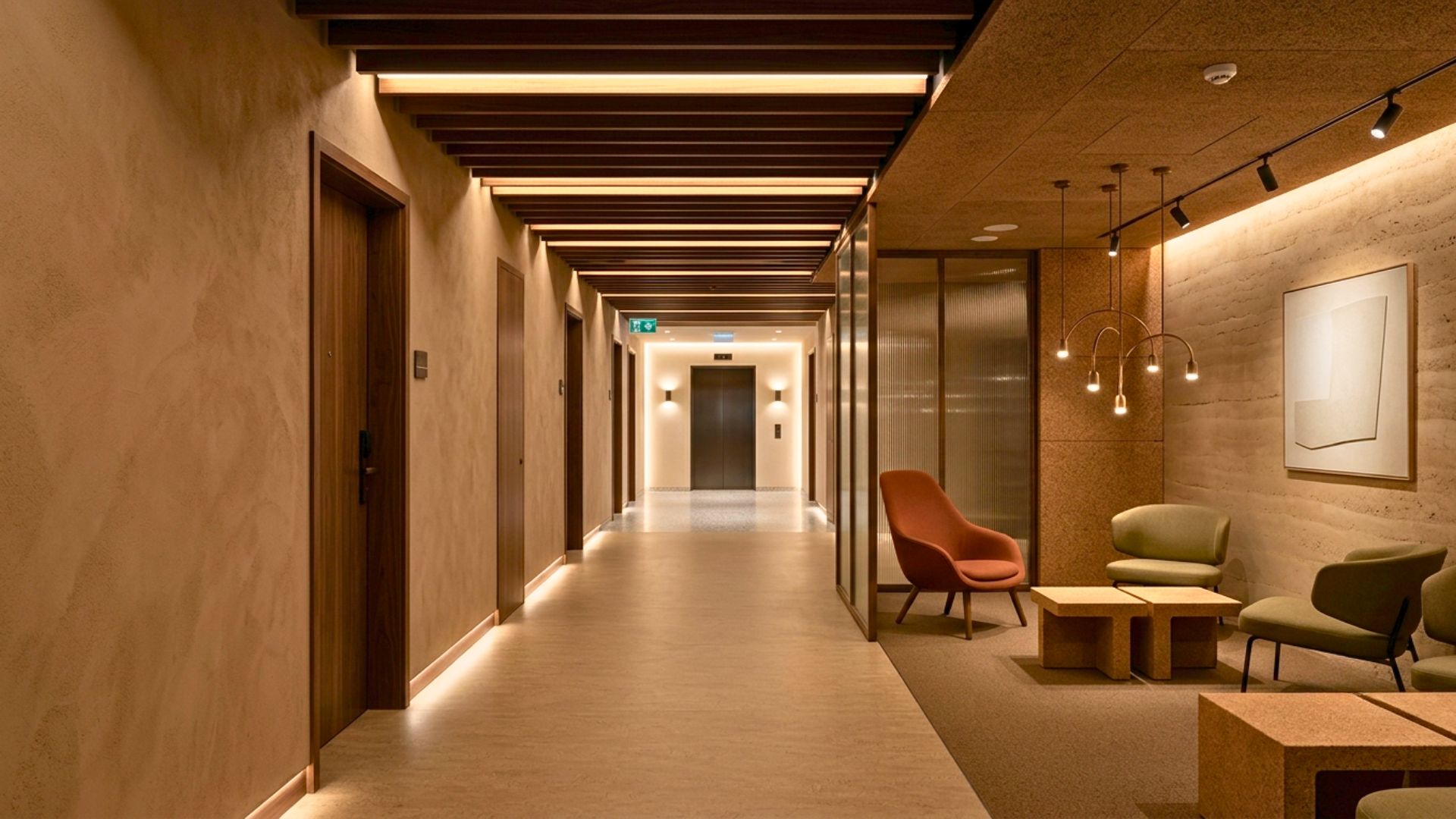
4. Energy-Efficient Lighting
Implement occupancy sensors and LED lighting to reduce energy consumption across corridors, rooms, and common areas without dimming the guest experience.
5. Core Energy Efficiency Design
Incorporate thermal curtains, adjustable shutters, light paint colours, and wall insulation — small envelope decisions that compound into real energy savings.
6. Water and Energy Conservation in Bathrooms
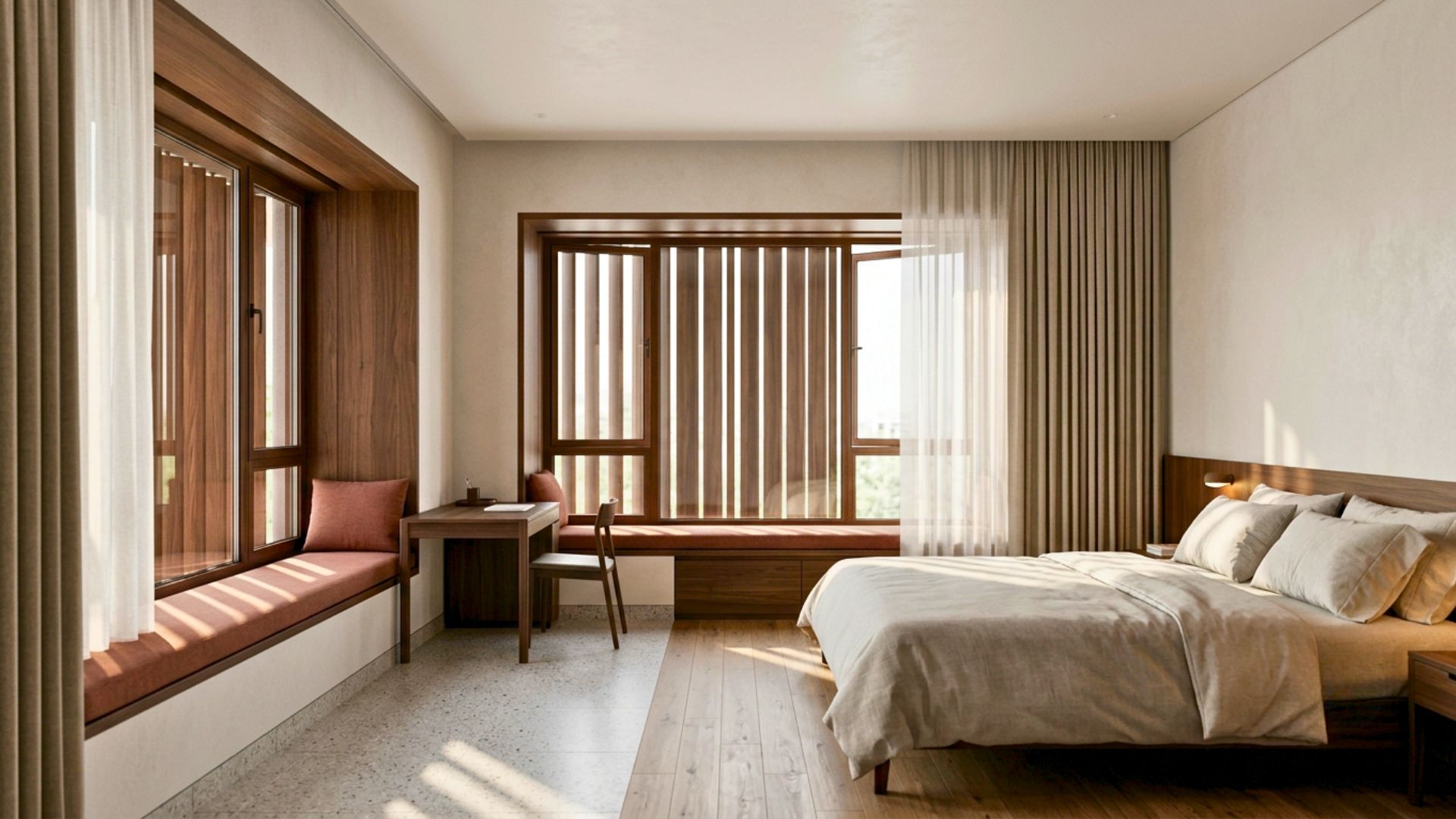
Use organic towels, recycled materials, and efficient fixtures — bathrooms are one of the highest resource-consumption zones in any hotel room.
7. Sustainable Flooring
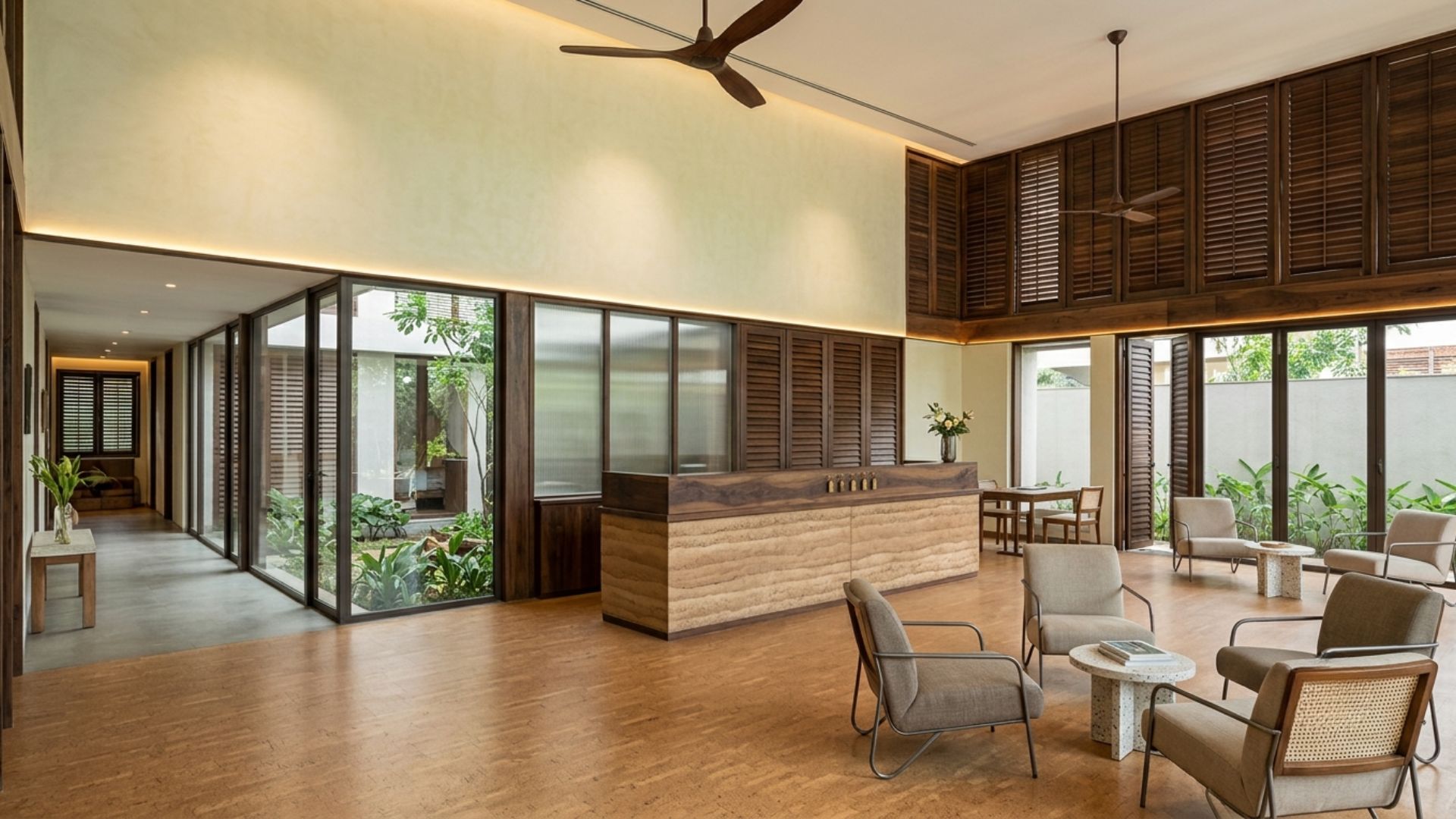
Materials like cork, linoleum, and sustainably-sourced wood offer durability and a lower environmental footprint than conventional flooring options.
Conclusion
Sustainability doesn't have to mean sacrificing guest comfort — done well, it's part of what makes the guest experience feel considered. These eight areas are where the impact is greatest for the investment.
Building an eco-conscious hotel? At SprintCo, we design sustainably without cutting corners on comfort. Let's talk about your project.