



Owning a restaurant represents one of life's most fulfilling endeavours. This guide is for aspiring restaurateurs without industry experience, or those currently launching their ventures — covering the essential knowledge for successfully establishing a restaurant.
Restaurant success extends far beyond quality cuisine. Like any business, restaurants require competence in inventory management, customer service, pricing strategy, and other operational elements.
"The customer experience is the next competitive battleground." – Jerry Gregoire
The food service industry continues growing due to shifting lifestyles and demographics. However, restaurant ownership isn't a quick-wealth scheme — many ventures fail during their initial years due to inadequate planning.
"A restaurant is a fantasy — a kind of living fantasy in which diners are the most important members of the cast." – Warner LeRoy
1. Restaurant's Concept

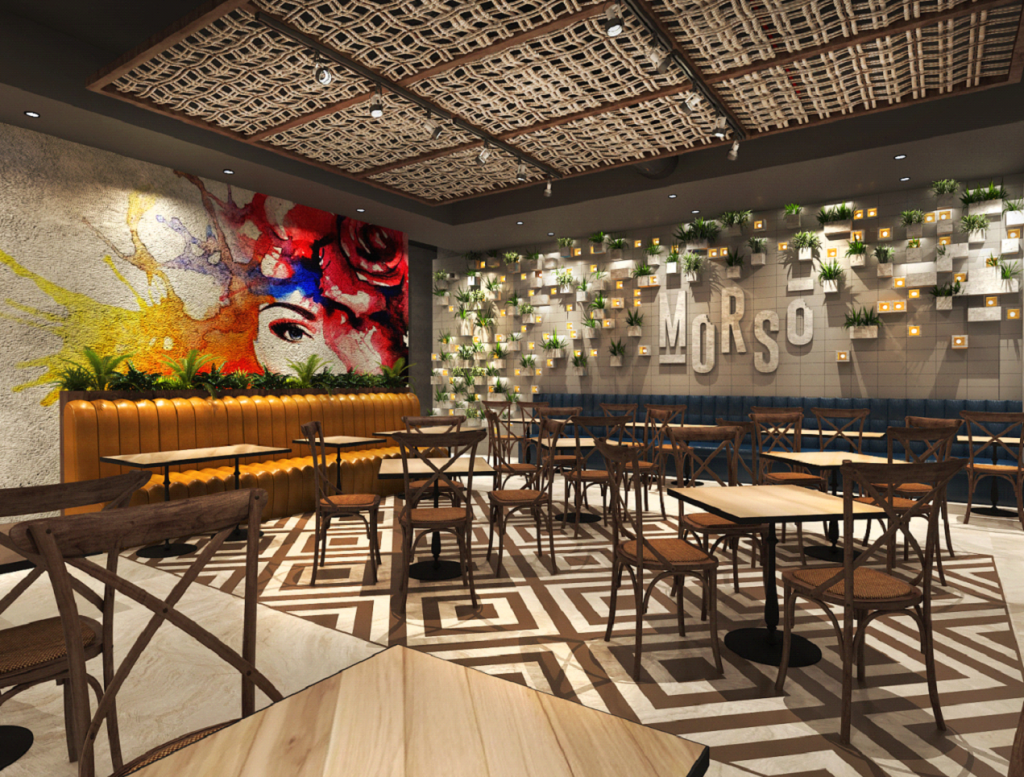
Before selecting a concept, consider your target audience, menu price range, desired theme or cultural focus, formal versus casual dining preference, and how it all aligns with your interior design.
Five Restaurant Types:
- Fine Dining — Premium food, service, and atmosphere with white tablecloths, uniformed servers, and elevated pricing.
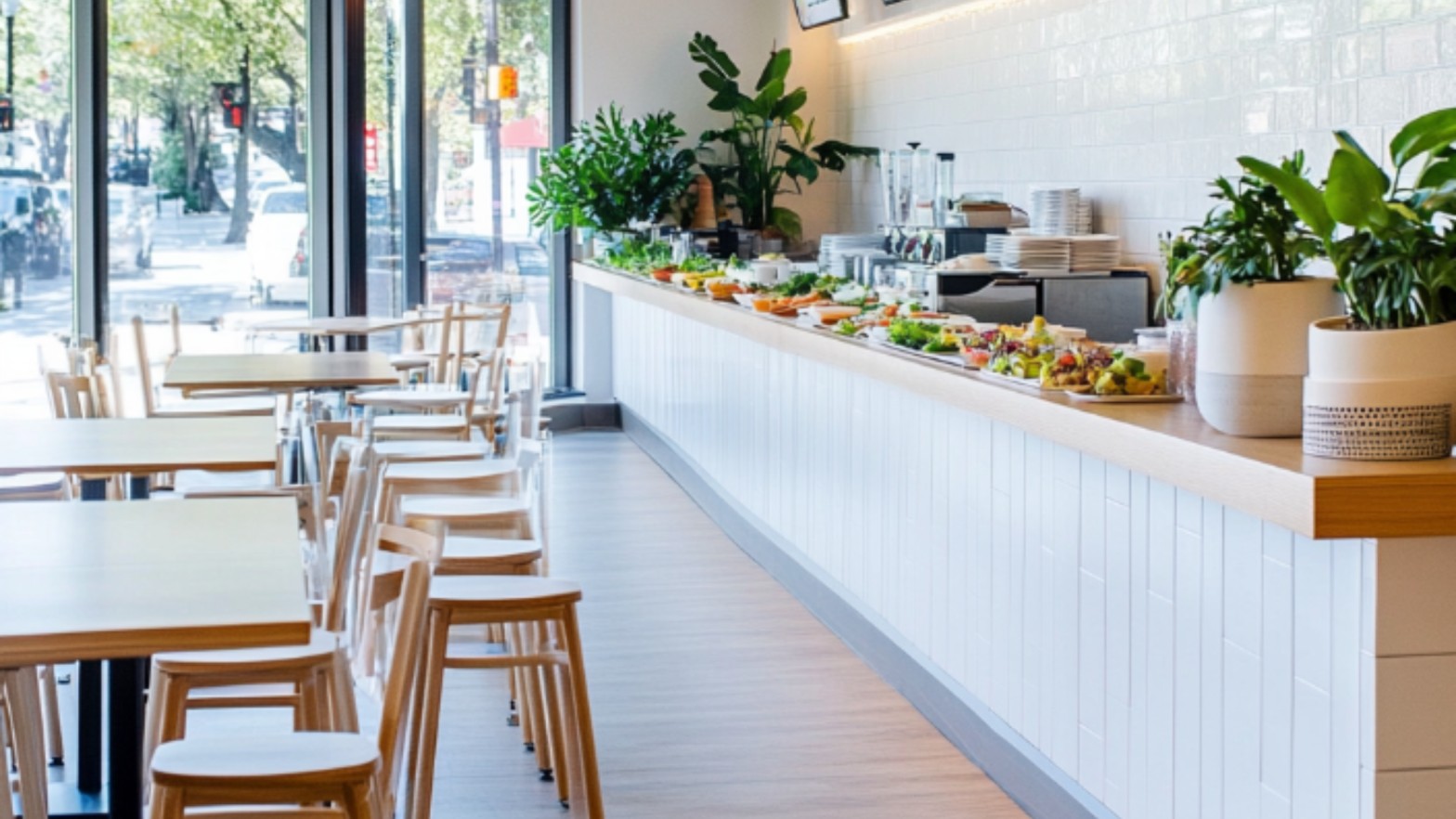
- Cafe — A self-service model featuring hipster culture, intimate atmosphere, and outdoor seating.
- Fast Casual — Trending among younger demographics; organic ingredients, disposable dishes, higher-quality fast food.
- Fast-Food Chains — An established concept offering quick delivery, convenience, and affordability.
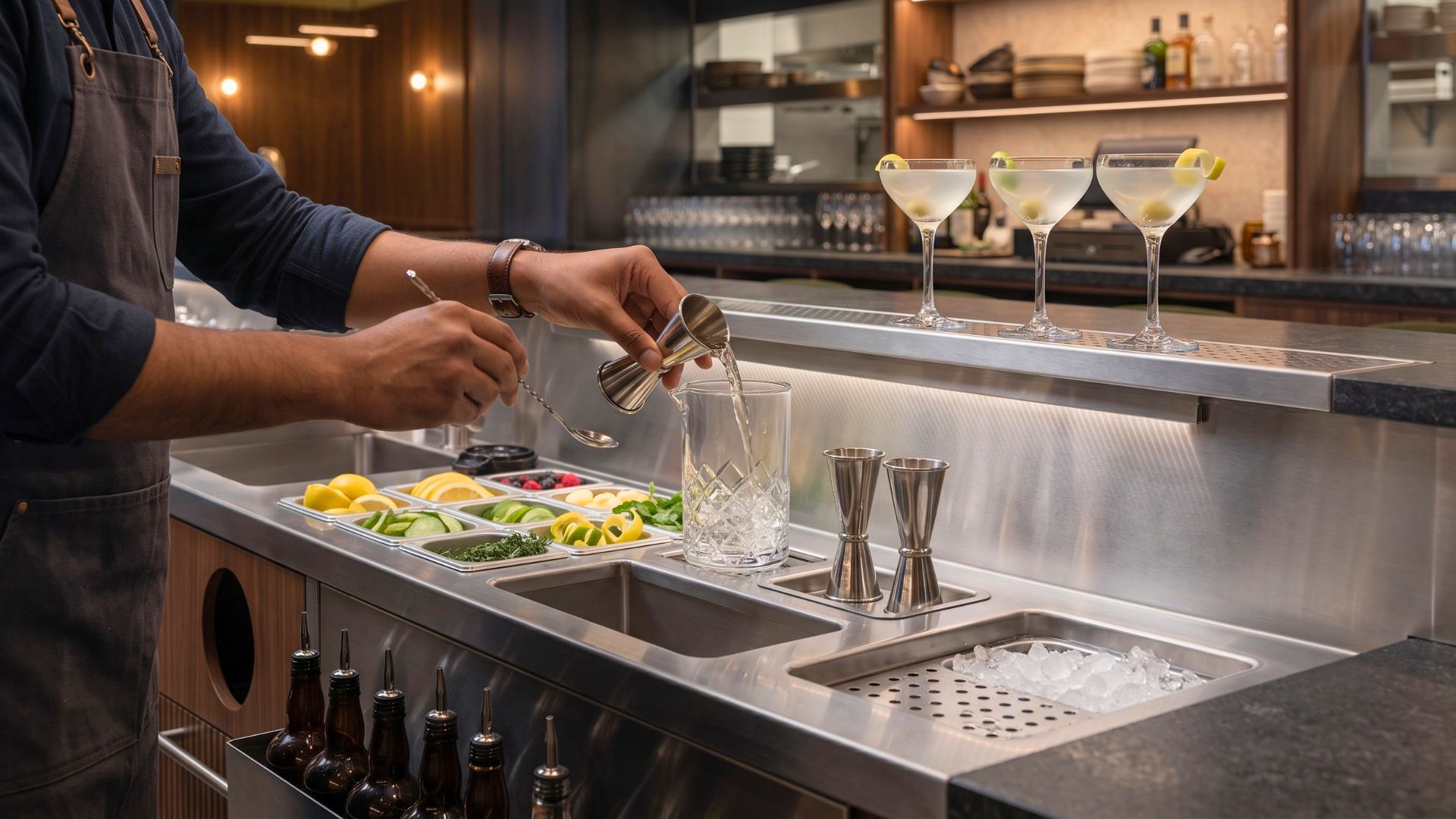
- Bars and Lounges — Relaxed seating with distinctive cuisine and beverage service.
2. Funding
Insufficient capital prevents many promising concepts from launching. Explore these funding approaches:
- Self-funding — Using personal savings.
- Crowd-funding — Utilising platforms to raise capital.
- Angel Funding — Attracting investors (requires demonstrating growth potential, profit ratios, expansion viability).
- Bank Loan — Traditional financing (may involve mortgages, higher interest rates, guarantor requirements).
3. Costing
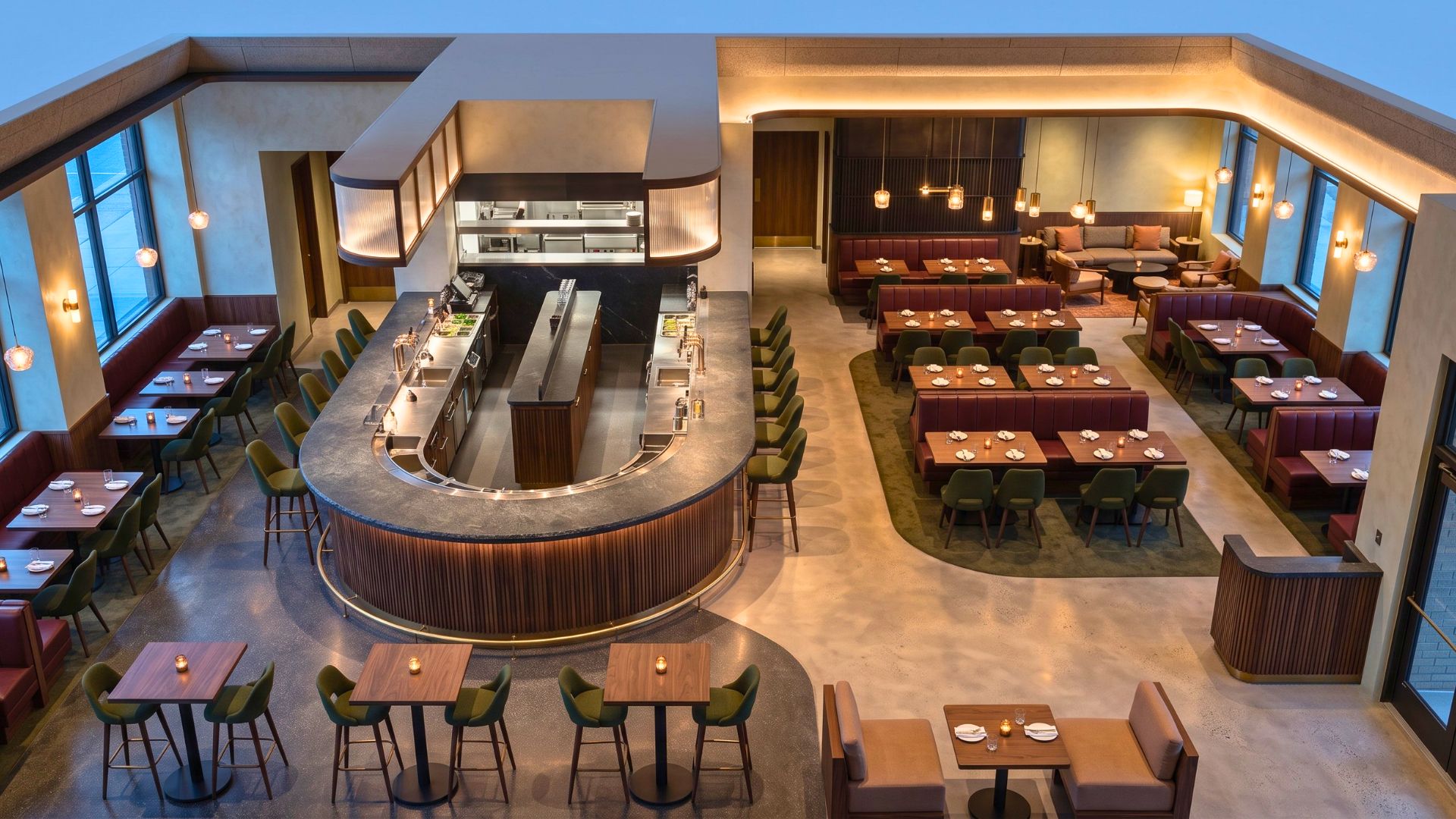
Understanding daily operational expenses is critical. Raw material costs should represent approximately 20–30% of menu prices.
Other Expenses:
- Rent — Typically shouldn't exceed 10% of revenue; varies by location.
- Interiors — A one-time investment based on theme and concept.
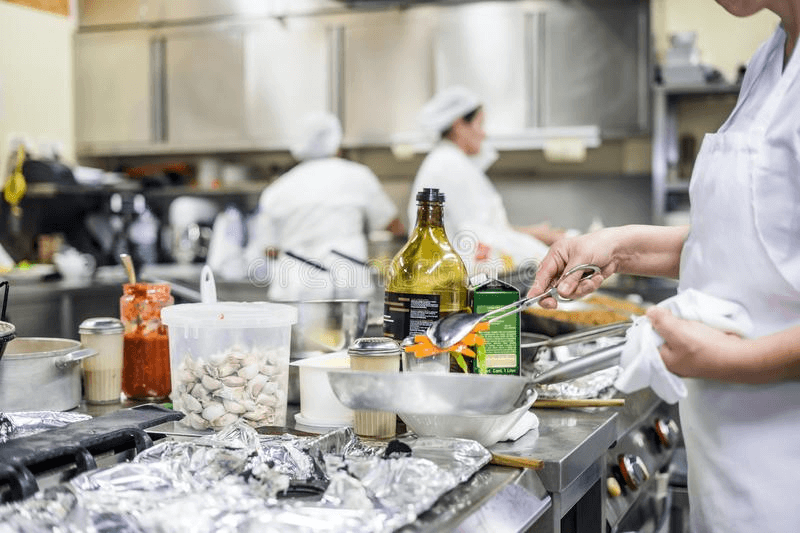
- Kitchen Equipment — Significant upfront investment with long-term cost recovery.
- License — Municipal permits and associated fees; essential for legal operation.
- Promotion — Budget 1–2% of earned revenue across online/offline channels.
4. Location
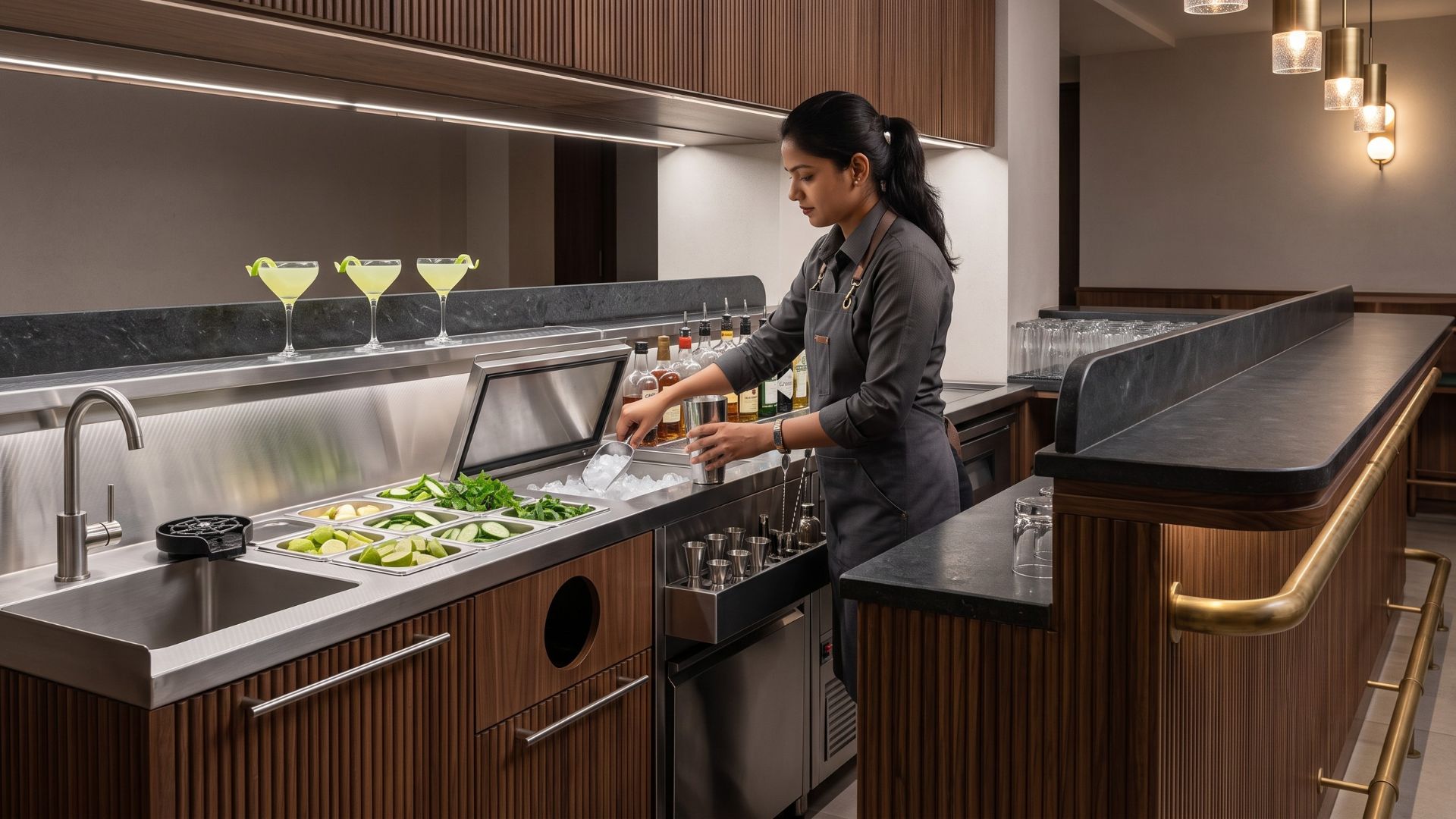
Location significantly influences restaurant success. Evaluate competitor performance, local customer demographics, product values, customer preferences, visibility, and accessibility before committing.
5. Perfect Menu Development
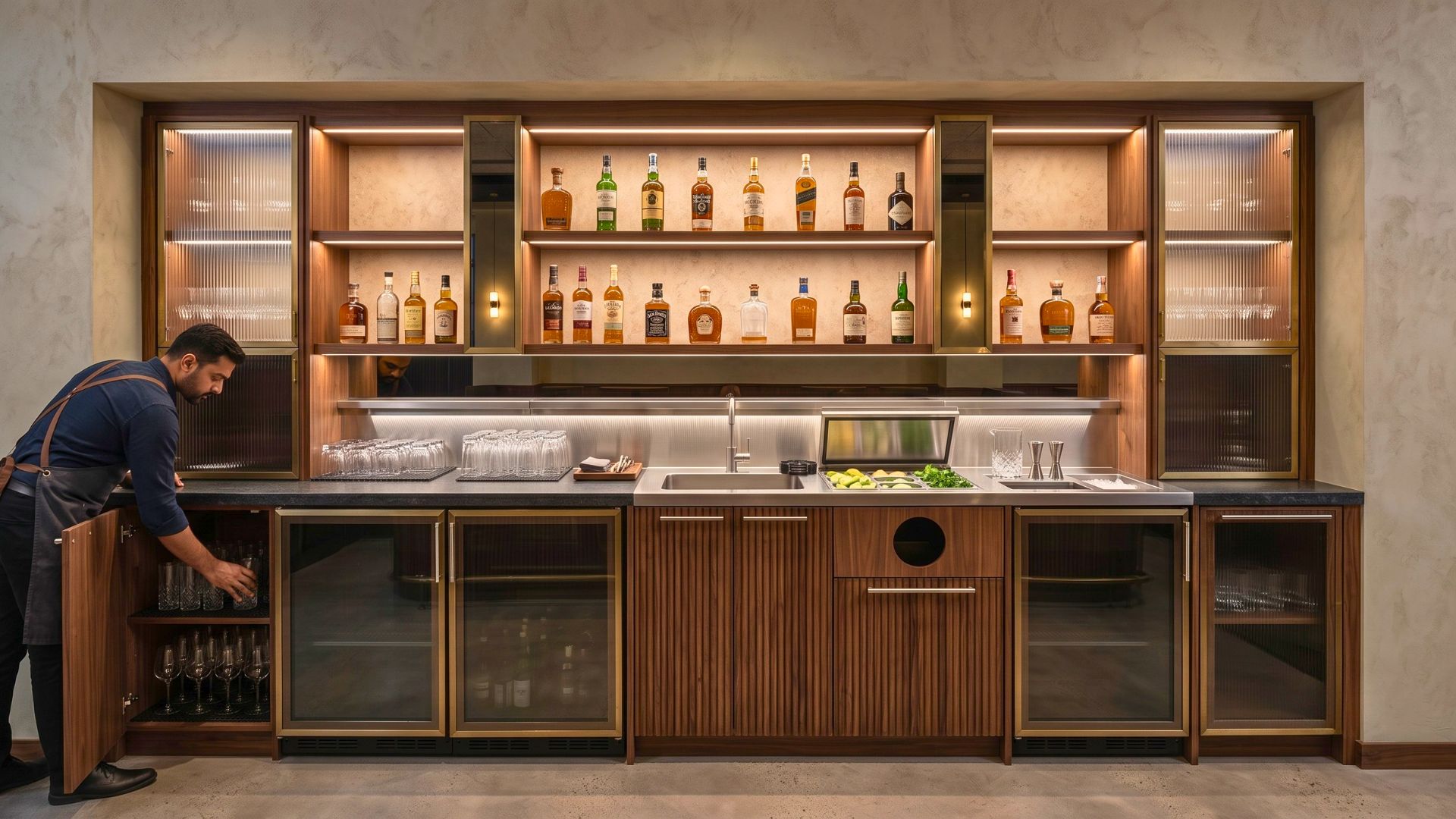
Menus should align with the restaurant's concept or theme. Effective menus are simple, descriptive, and feature items using common ingredients that require minimal preparation time — this reduces raw material costs and waste, while strategic pricing encourages customer spending.
6. Inventory Management
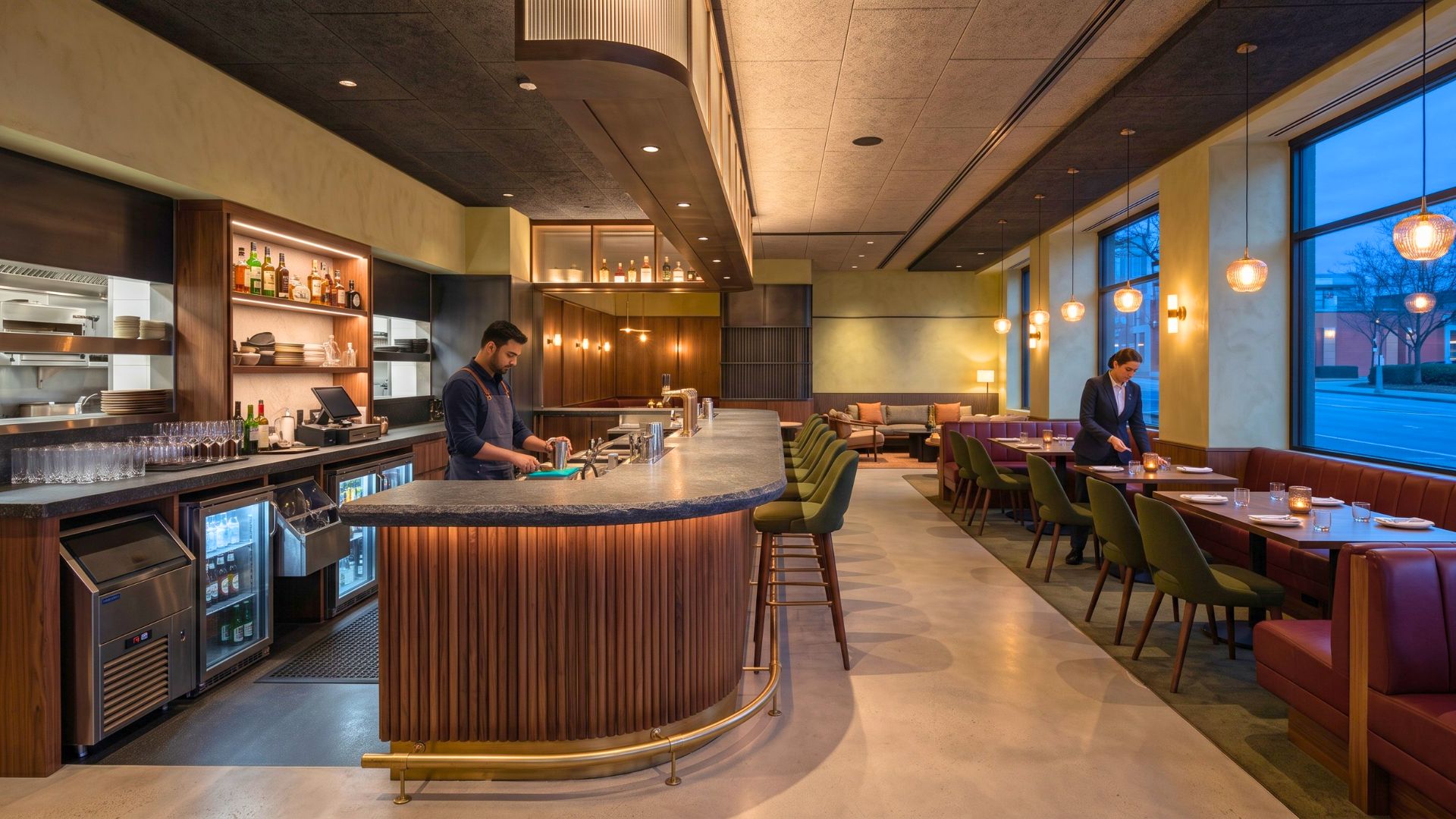
Effective inventory management requires strong supplier relationships. Maintain two to three vendors for raw materials to track optimal pricing and quality while managing demand. Stock materials for only one to two days to minimise waste and maintain efficient costing.
Execute!
Planning a restaurant concept seems exciting, but actual implementation requires dedication. With these six steps as your foundation, you're equipped to launch a successful restaurant business — experience or not.
First-time restaurant owner? At SprintCo, we help first-timers design and build spaces that are ready for day one. Let's talk about your project.