


Restaurants are vital to modern life, and this presents an excellent business opportunity. A well-designed restaurant with quality food attracts customers and builds success. Interior design directly impacts profitability by drawing customers in and improving staff efficiency once they're inside.
1. Concept and Menu
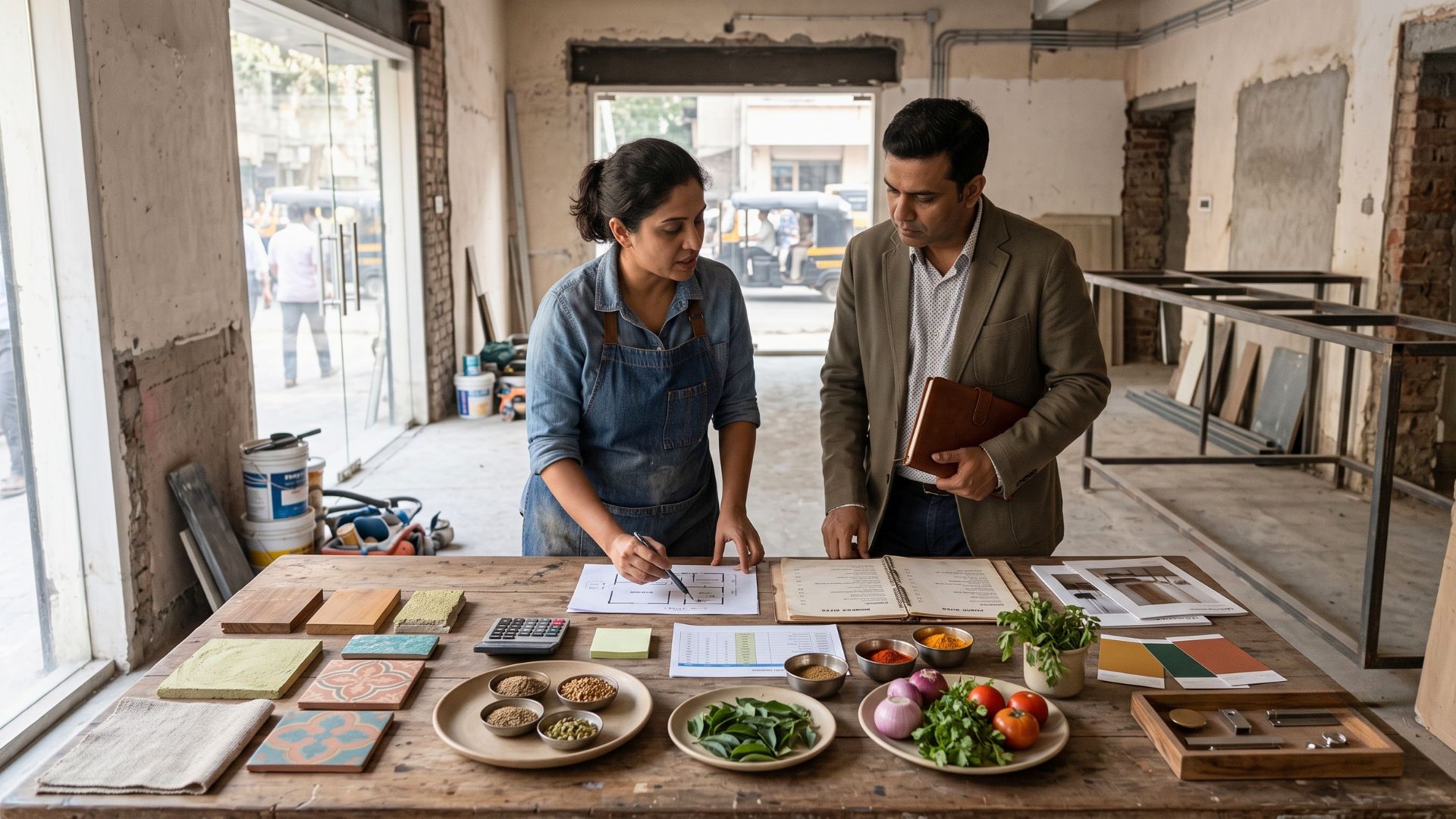
Your restaurant concept must be carefully planned and researched before launch — it determines the overall look, feel, and functionality of the space. Menu planning should consider food trends and affordability from the very start.
2. Location and Budget
Visibility is critical for sales success. Consider accessibility, parking, and site specifications (electricity, water, utilities, air-conditioning), and analyse affordability, rent, maintenance charges, and real estate trends — budget constrains every interior choice that follows.
3. Layout and Aesthetics
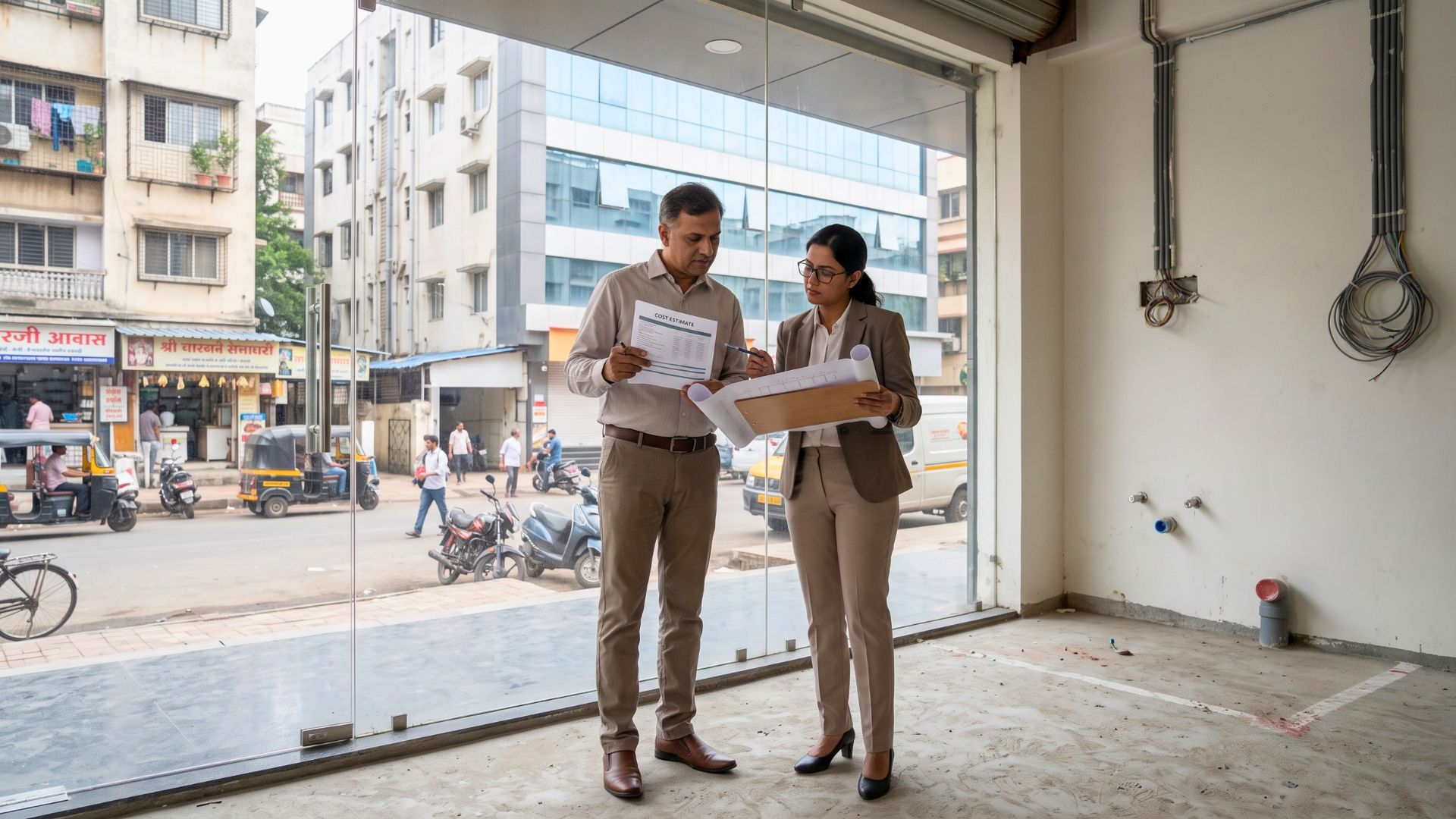
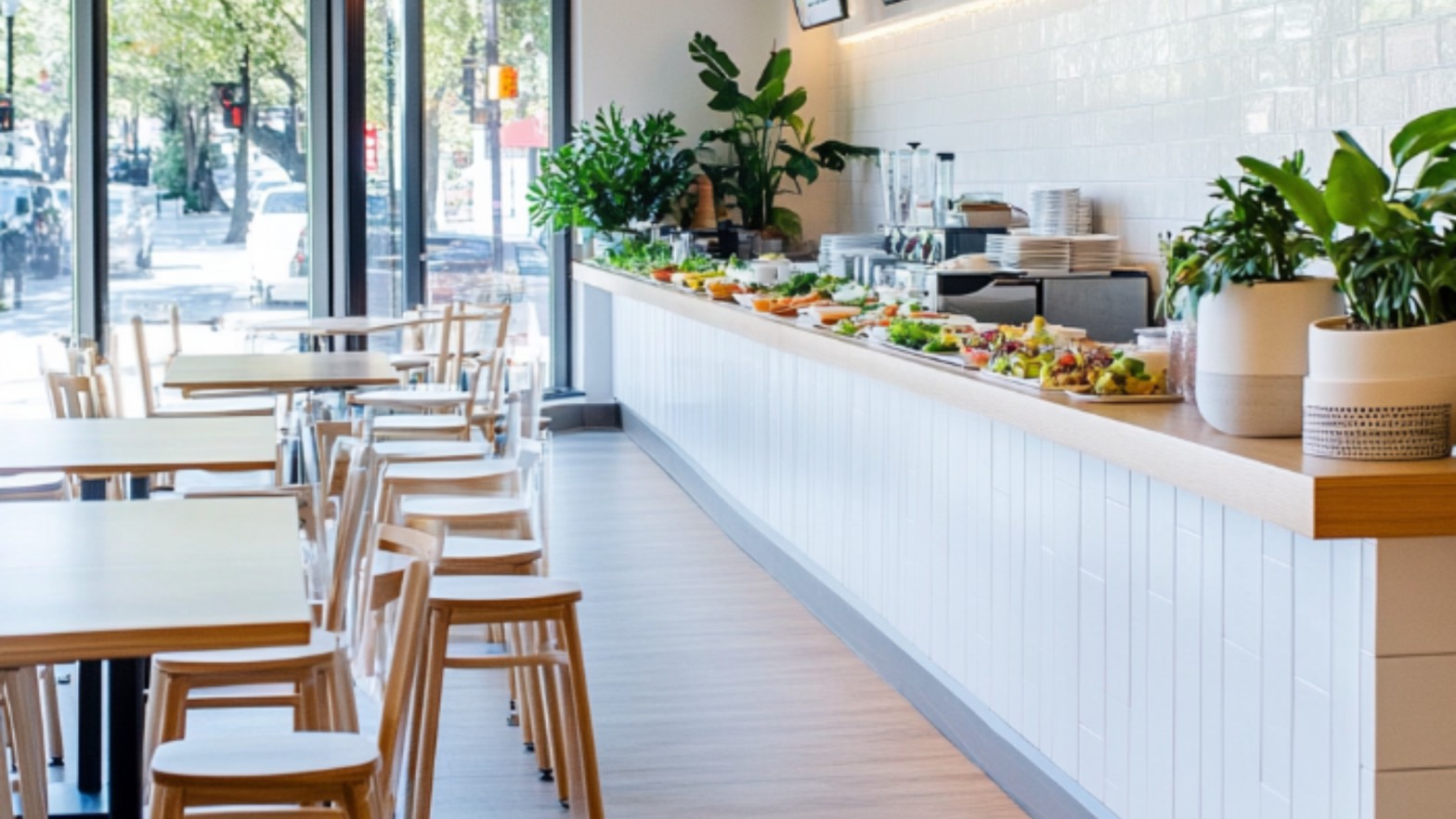
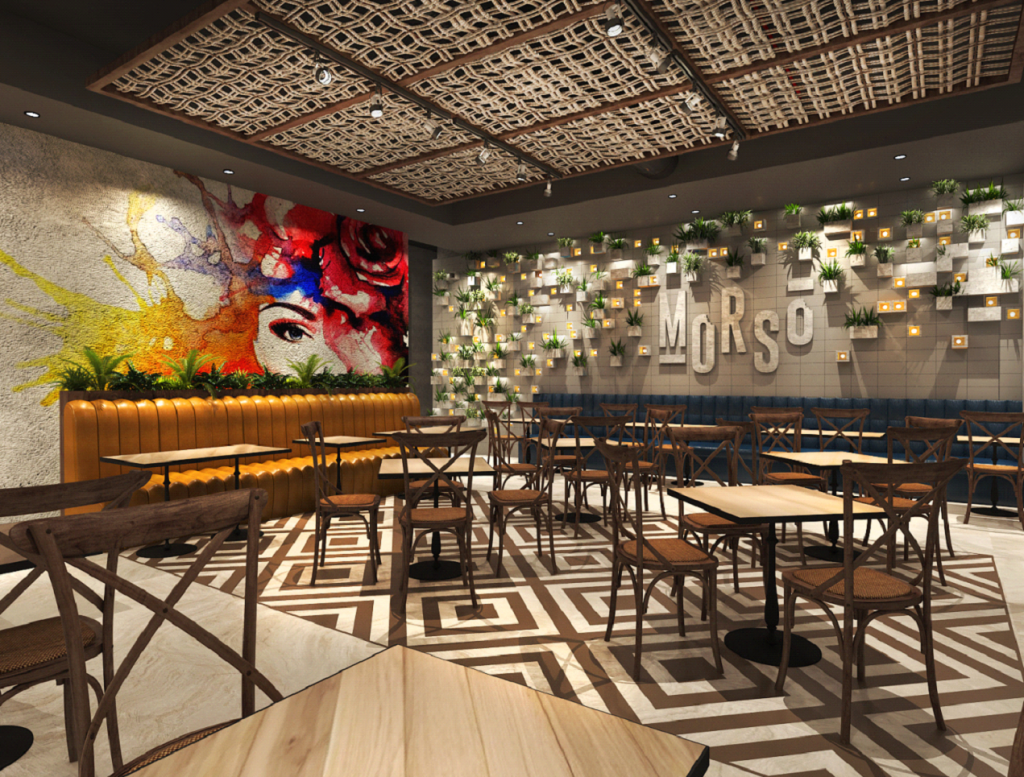
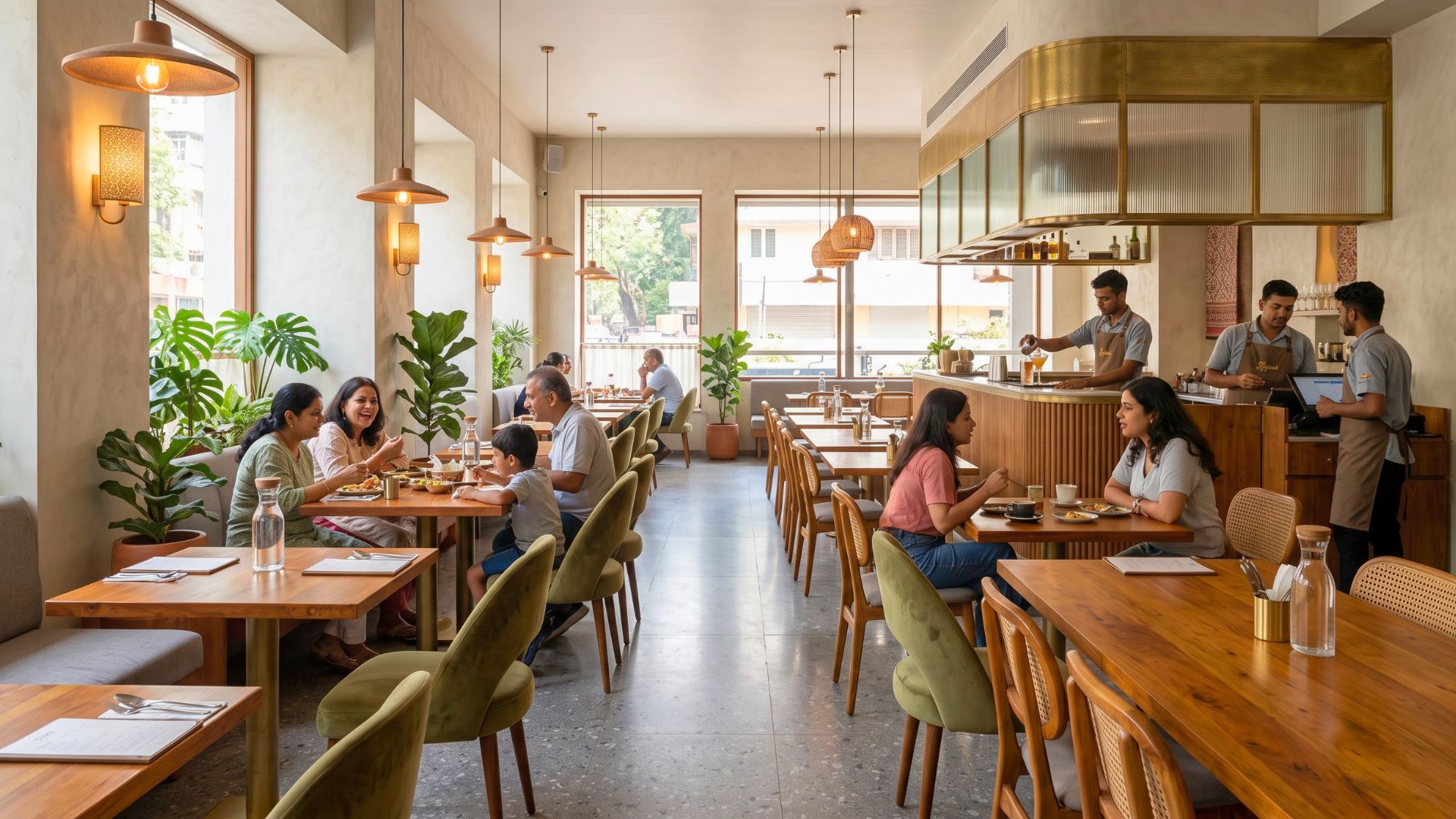
Employ professional interior designers for both the technical and aesthetic aspects. Aesthetics attract customers through functional layouts, colour palettes, lighting, furniture, and decor — but don't forget invisible factors like zoning, air conditioning, aroma, and music.
4. Safety and Guidelines
Follow local construction and safety guidelines. Comply with fire safety norms and accessibility requirements, obtain proper licenses and permits before opening, pass required inspections, and address state and federal requirements — this isn't optional paperwork, it's what lets you open at all.
5. Occupancy and Hours
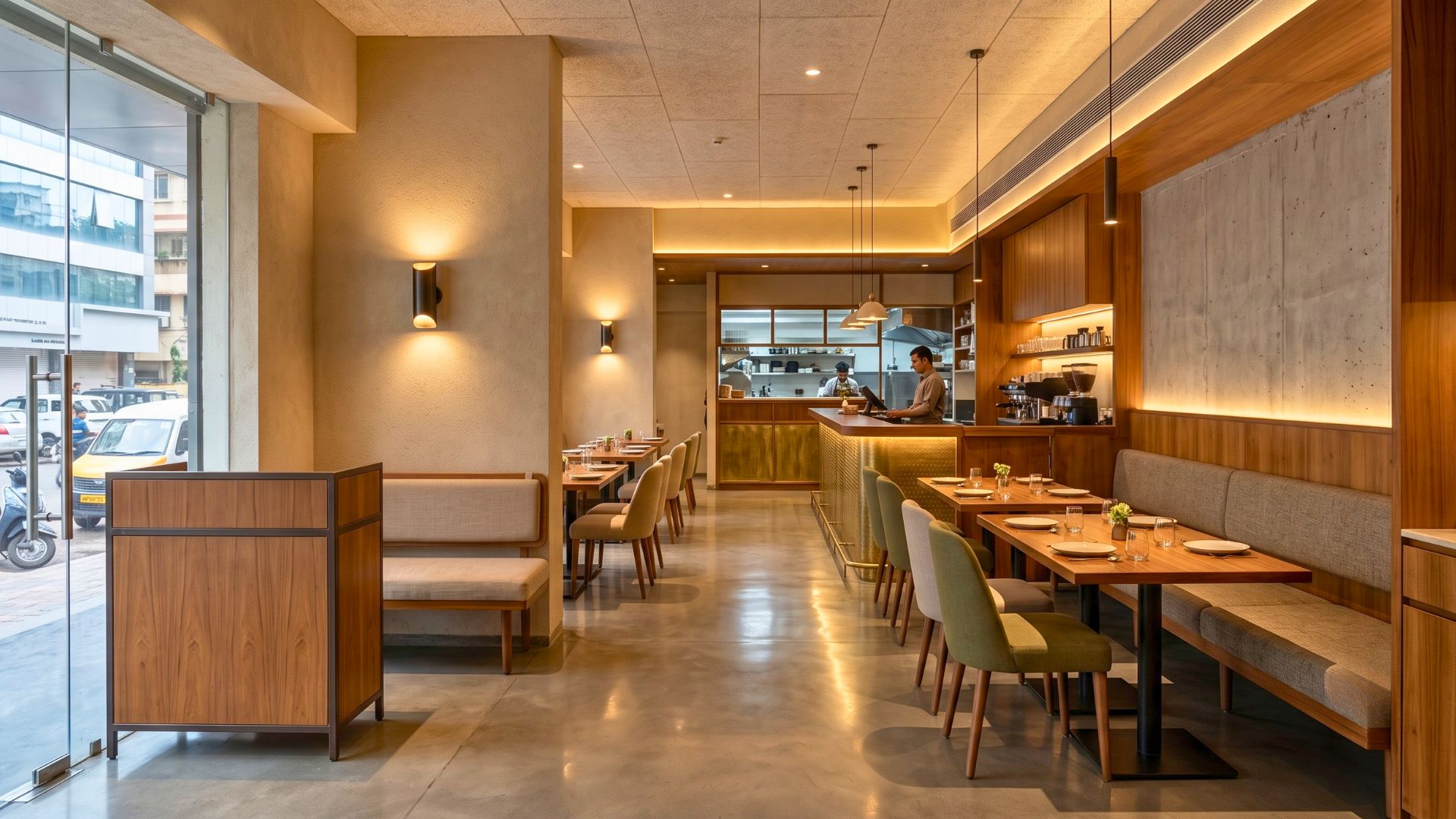
Plan customer capacity based on local fire safety and hygiene guidelines. Your restaurant concept affects occupancy levels — fine dining versus quick service — and operating hours influence colour palette, lighting, and glazing choices.
6. Kitchen and Storage
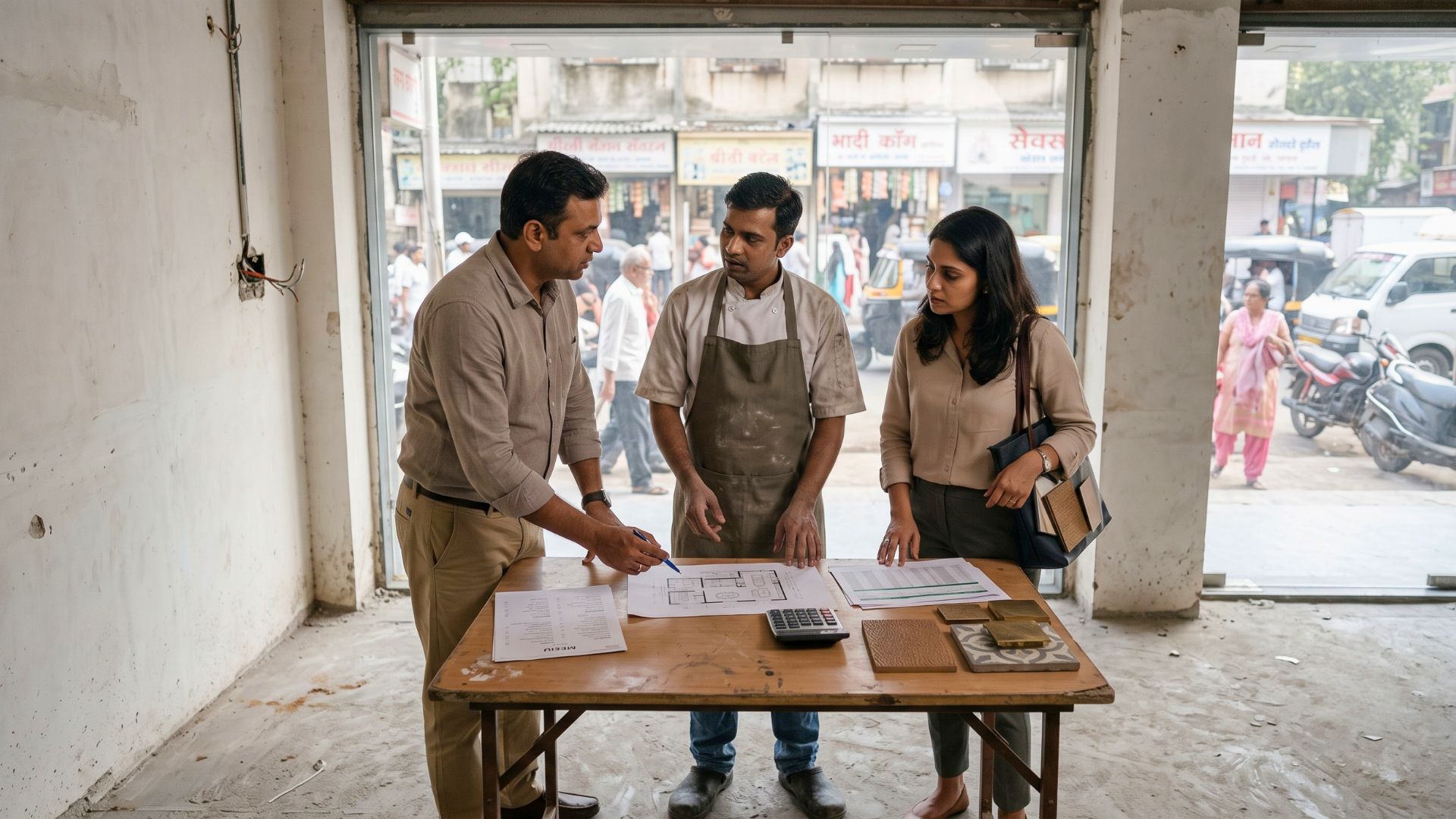
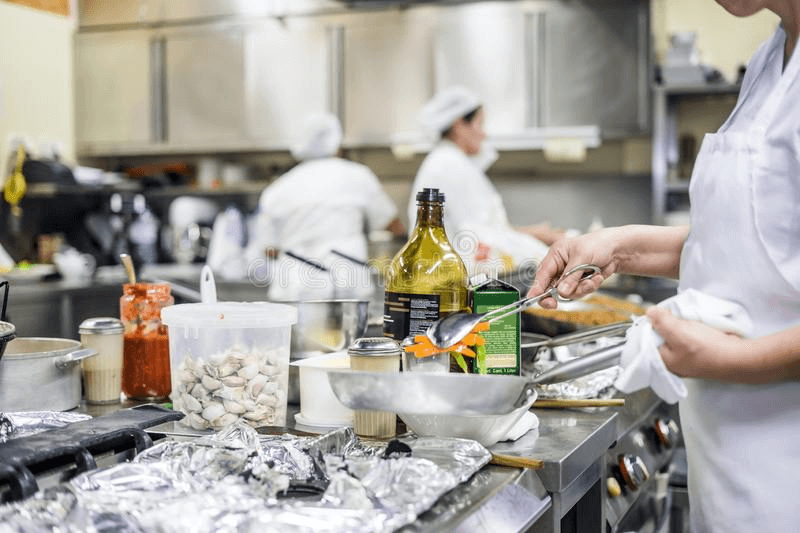
Kitchen design depends on your concept and menu — finalise the menu before planning back-of-house details. Consider water, gas, and electricity supply locations, and plan storage, loading/unloading areas, and waste management from day one.
7. Rest Rooms
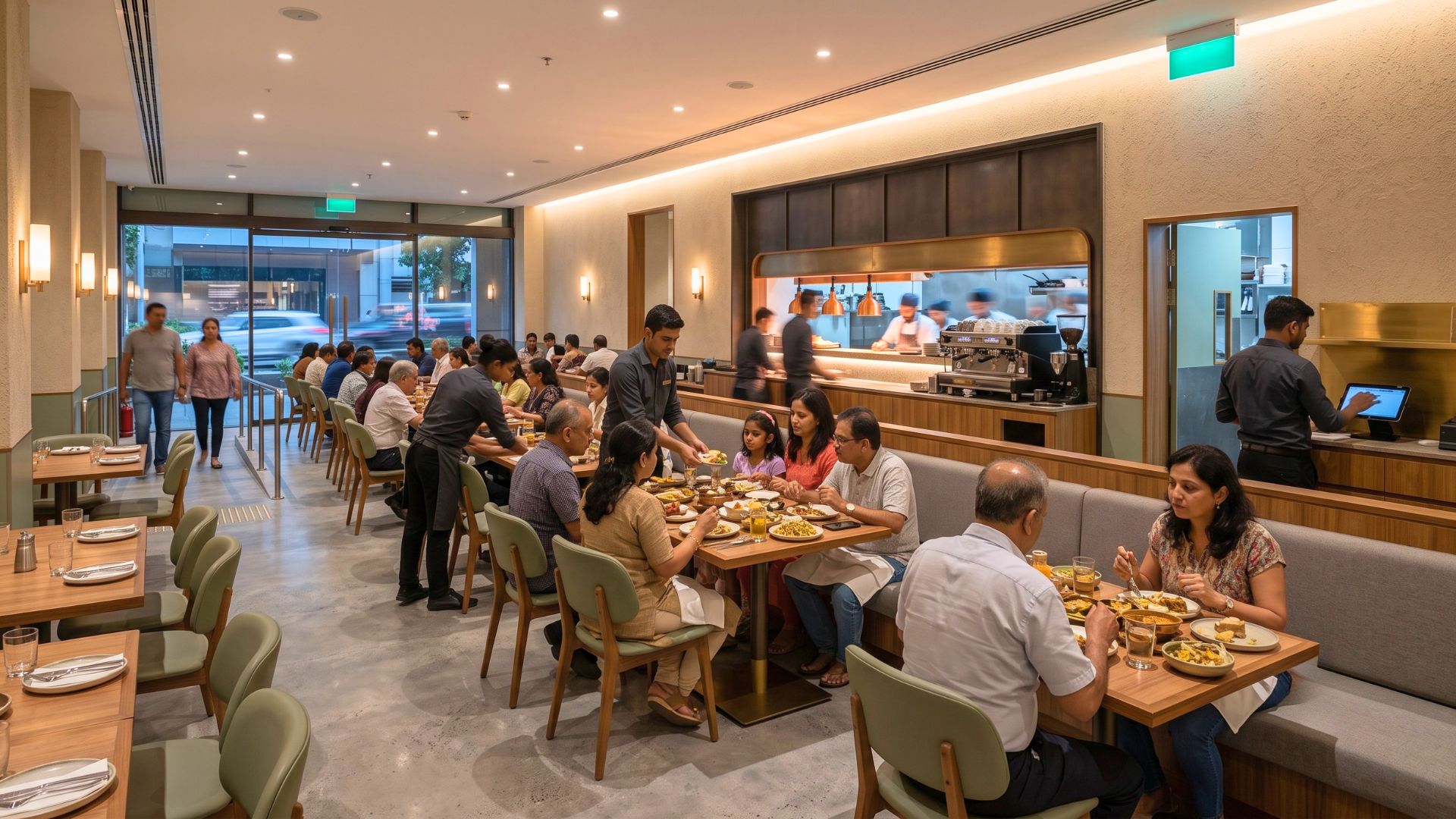
The number of restrooms should be based on occupancy or local regulations. Hygiene is critical for customer attraction and retention — restroom quality reflects owner dedication and affects the overall guest experience more than most owners realise.
Conclusion
Engaging professional restaurant interior designers is the surest way to execute these seven considerations successfully — their expertise in establishing and scaling restaurant businesses is hard to replicate on your own.
Designing your restaurant interior? At SprintCo, we handle concept through kitchen through restroom — the whole picture. Let's talk about your project.