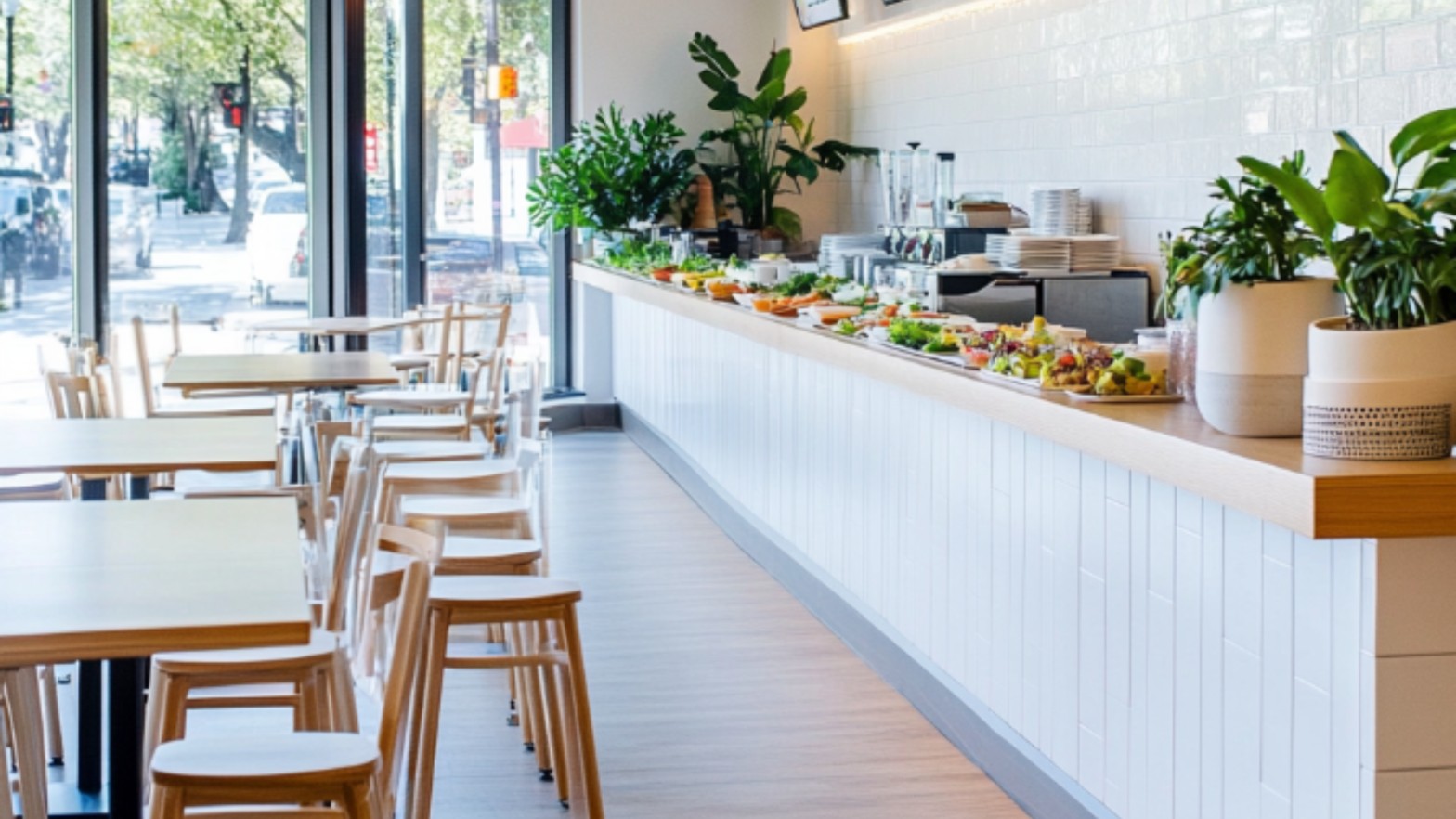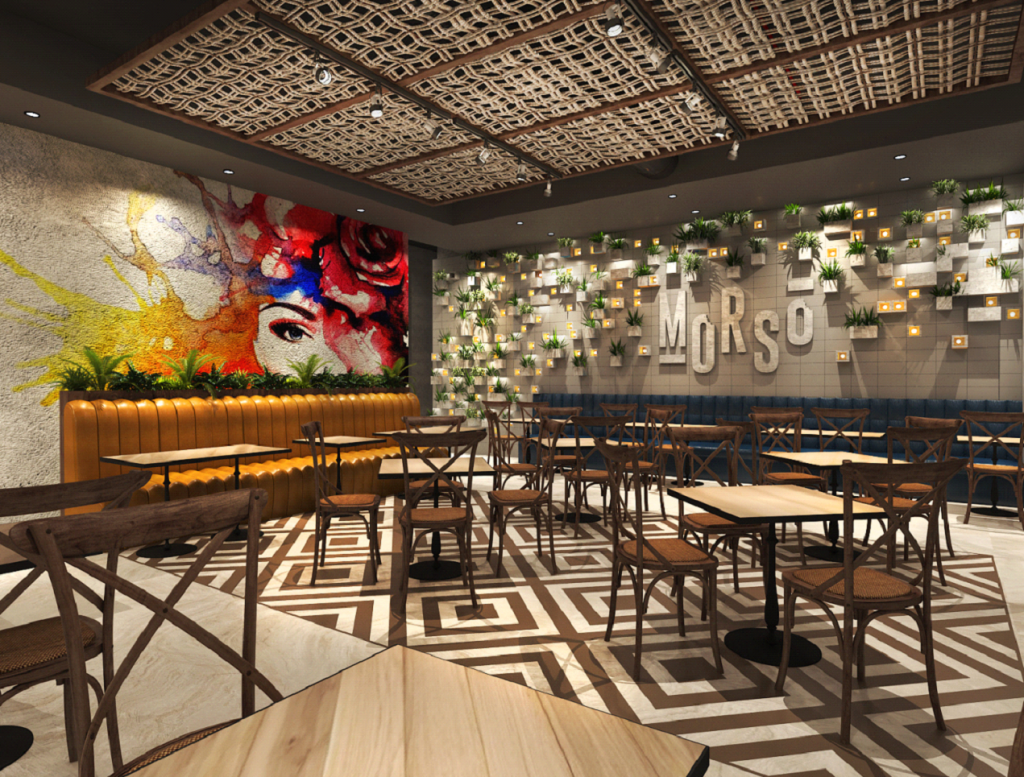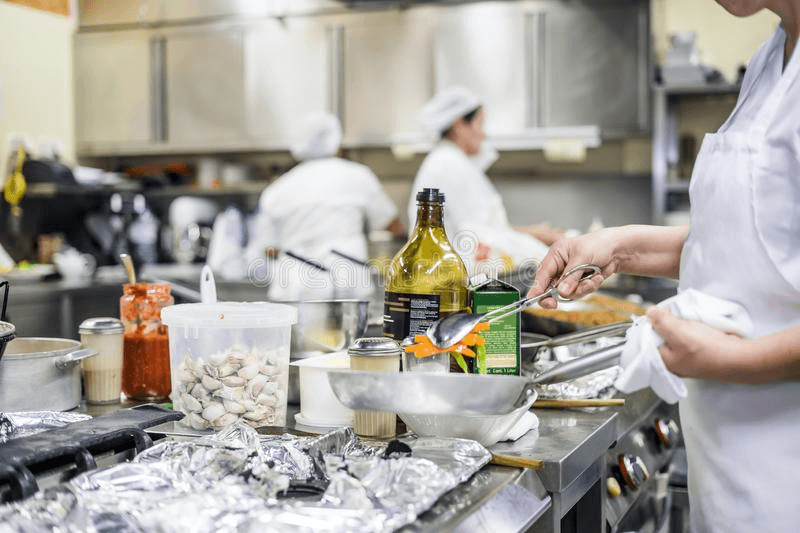




Successful restaurants require two critical elements beyond location, recipes, and staff: a clear design story and operational efficiency. Interior design must align with the restaurant's theme to enhance the dining experience.
1. Lighting
.jpg)
Warm lighting extends a cozy, comfortable feeling while remaining visually appealing without overwhelming guests. Get the temperature and intensity right, and it does half the ambience work for you.
2. Colour
.jpg)
Colour psychology plays a real role in restaurants — think of how McDonald's and KFC use red to stimulate appetite, contrasted with blue's metabolism-slowing effects. Choose your palette with intent, not just aesthetics.
3. Space Management
.jpg)
Strategic placement of visible products — sweets, drinks — encourages impulse purchases during wait times. Small layout decisions like this add up to real revenue over a month.
4. Furniture
.jpg)
All furnishings should create cohesive comfort — when a person feels comfortable and at ease, they tend to spend more time and money in your space.
5. Ventilation
.jpg)
Proper air conditioning and ventilation create a lively, effervescent, and unconstrained atmosphere — nobody enjoys a stuffy dining room, no matter how good the food is.
6. Smell
Nobel Prize-winning research shows smell is the most emotional of our senses — humans can remember around 10,000 different odours, and many of them trigger memory directly. Get the scent of your space right, and it becomes part of your brand.
Conclusion
Restaurants are no longer mere places to eat — they're competitive venues that need to earn customer appeal and endorsement through every sense at once.
Designing a new restaurant? At SprintCo, we design for all six senses, not just the visual ones. Let's talk about your project.